The Deterioration Trap
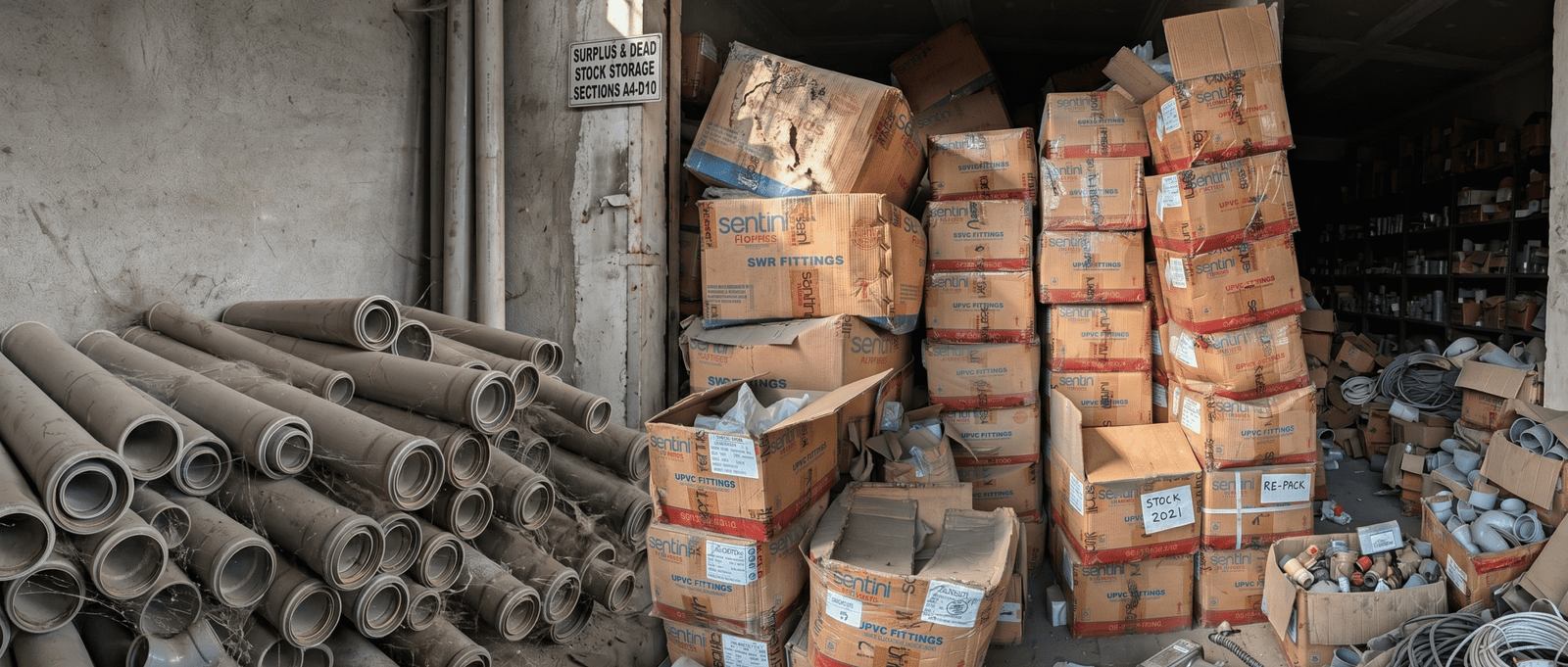
High-quality construction material has a shelf life. When surplus sits for two, three, or four years, it doesn't just collect dust it decays. Moisture seeps in, chemical compositions change, and structural integrity fades.
By the time you decide to use it, it’s no longer "good quality." It’s Construction and Demolition (C&D) Waste. Every year, India generates over 150 million tonnes of C&D waste, and a heartbreaking percentage of that wasn't born as waste.

It was manufactured as premium material, bought with hard-earned capital, and then abandoned into uselessness. Eventually, it ends up in a landfill, leaching chemicals and occupying space that our planet can no longer afford to give.
The "Someday" Tax
The top 1% of developers and contractors understand something the rest don't: Surplus is a tax on your wallet and the earth.
When you let material sit, you are paying:
- The Space Tax: High-value real estate wasted on dead stock.
- The Capital Tax: Money locked in boxes that could be used for your next project.
- The Environmental Tax: The carbon footprint of producing new material because your old material was allowed to rot.

The Solution: The 6-Month Redistribution Habit
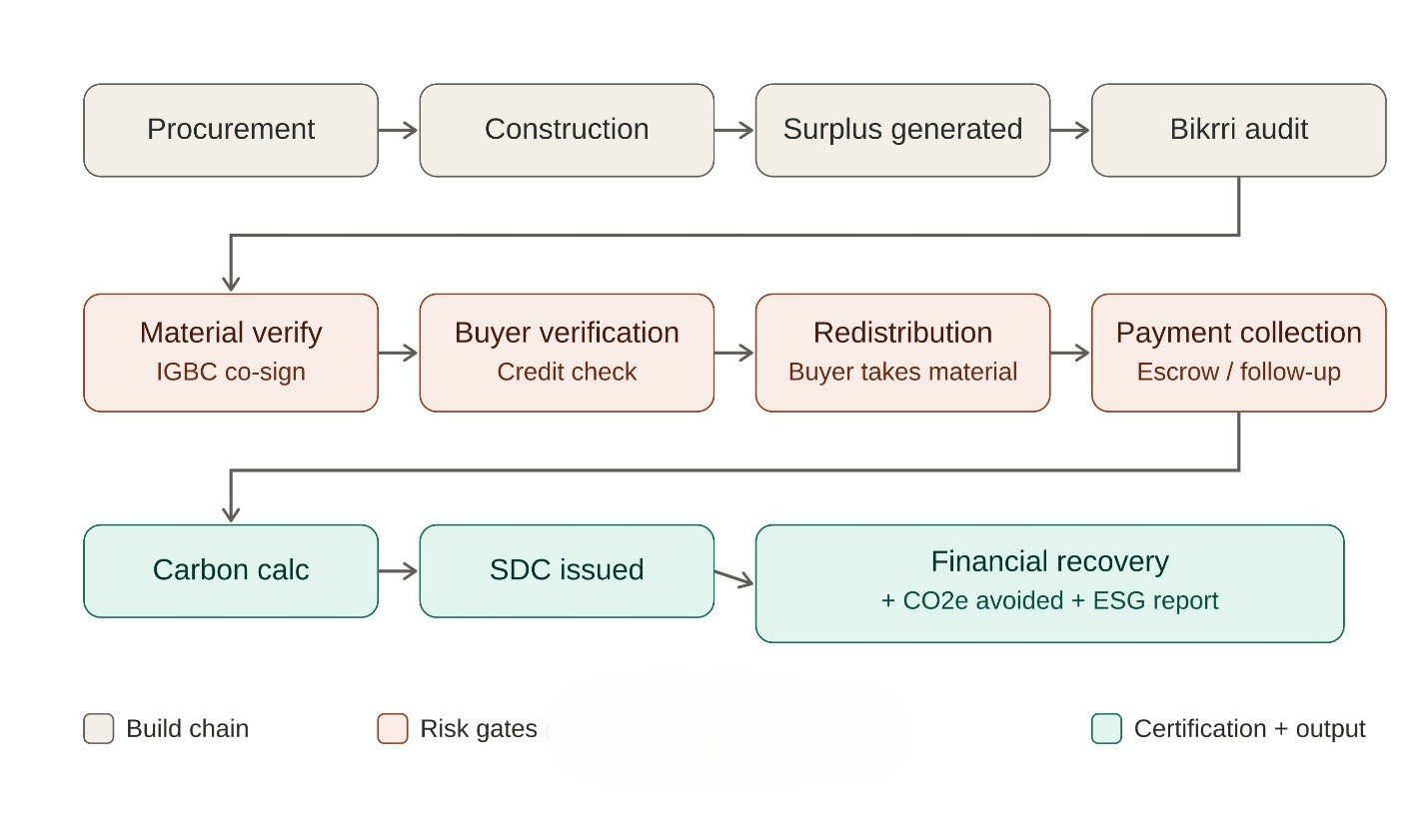
If we want to stop the landfill crisis, we don’t need more "awareness." We need a system. As we’ve discussed previously at Bikrri, the solution is a "Circular Habit." If a material isn't used within 6 months of project completion, it must be moved.
Here is the initiative we must all take:
- Audit Your "Dead Zones": Go to your storage today. If it’s been there for a year, it’s already halfway to the landfill.
- List Before it Leaches: Use the Bikrri ecosystem to put that material back into the hands of someone who needs it now.
- The "Net-Zero" Mindset: Before you place a fresh order for your next site, check the redistribution market. Buying surplus isn't just "cheap" it’s an elite environmental strategy.

The Bottom Line
We are currently choking our landfills with unused potential. The system hasn't existed to fix this until now. By making redistribution a habit, we turn "waste" back into "wealth." We stop the deterioration cycle. We honor the IGBC standards not just on paper, but in our warehouses.
The surplus sitting in your yard is either a bridge to a sustainable future or a ticket to a landfill. You decide which one it is today.